Schedule your Complimentary Design Consultation


Sleeper Sofa with Storage: A Practical Guide


You've got the room, but not the right piece yet. Maybe it's a guest room that turns into storage half the year, or a coastal living room where the sofa has to do real work when family shows up for a long weekend. In that situation, a sleeper sofa with storage sounds like the obvious answer, until you start asking the right questions about comfort, frame depth, and what that extra compartment is stealing from the bed inside.
That's the part most guides skip. Built-in storage isn't a bonus feature, it's an engineering choice, and it changes how the sofa sits, how the sleeper opens, and how long the whole piece stays quiet and supportive. If you're trying to make one smart purchase for a smaller Florida home, that trade-off matters more than any pretty finish. For a broader look at keeping living areas uncluttered, the tagged living room storage ideas are a useful companion, and if you want to think through multi-use pieces in a practical way, our guide to choosing multi-functional furniture fits right alongside this one.
Why a Sleeper Sofa With Storage Is Worth a Closer Look
A small beach condo starts to feel even smaller when cousins arrive, the cooler lands by the door, and somebody needs a place to sleep without turning the den into a campout. A sleeper sofa with storage earns its place in that setting. It handles daytime seating, overnight guests, and the bedding that needs a home the rest of the week.
Decide what the piece has to solve.
If the sofa is going into a guest room, built-in storage keeps pillows and sheets close without stealing closet space. If it belongs in the main living room, the storage has to behave like part of the room, not a leftover feature. In a tight coastal home, the smartest choice usually comes after you measure the wall, the doorway, and the clear path around the room. That order matters more than fabric or trim.
Practical rule: storage matters only when it solves a real habit in your home, not just the urge to hide clutter.
A lot of buyers make the same mistake. They buy the sleeper first and deal with bedding later. That creates frustration. A better approach is to decide whether you need the mattress, the storage, or both to work every week, not only on holidays. That mindset keeps you focused on how the piece will live in the room.
Treat the category as a compact furniture system, not just a sofa. Once you do, the trade-offs get clearer. Storage affects seat depth, sleeper comfort, and how much strain the frame takes over time, so the right choice is the one that balances those jobs without wasting space. For more ideas for living room storage, the tagged living room storage page is a useful companion, and our guide to choosing multi-functional furniture fits right beside it.
The Three Storage Designs You Will Find in Showrooms
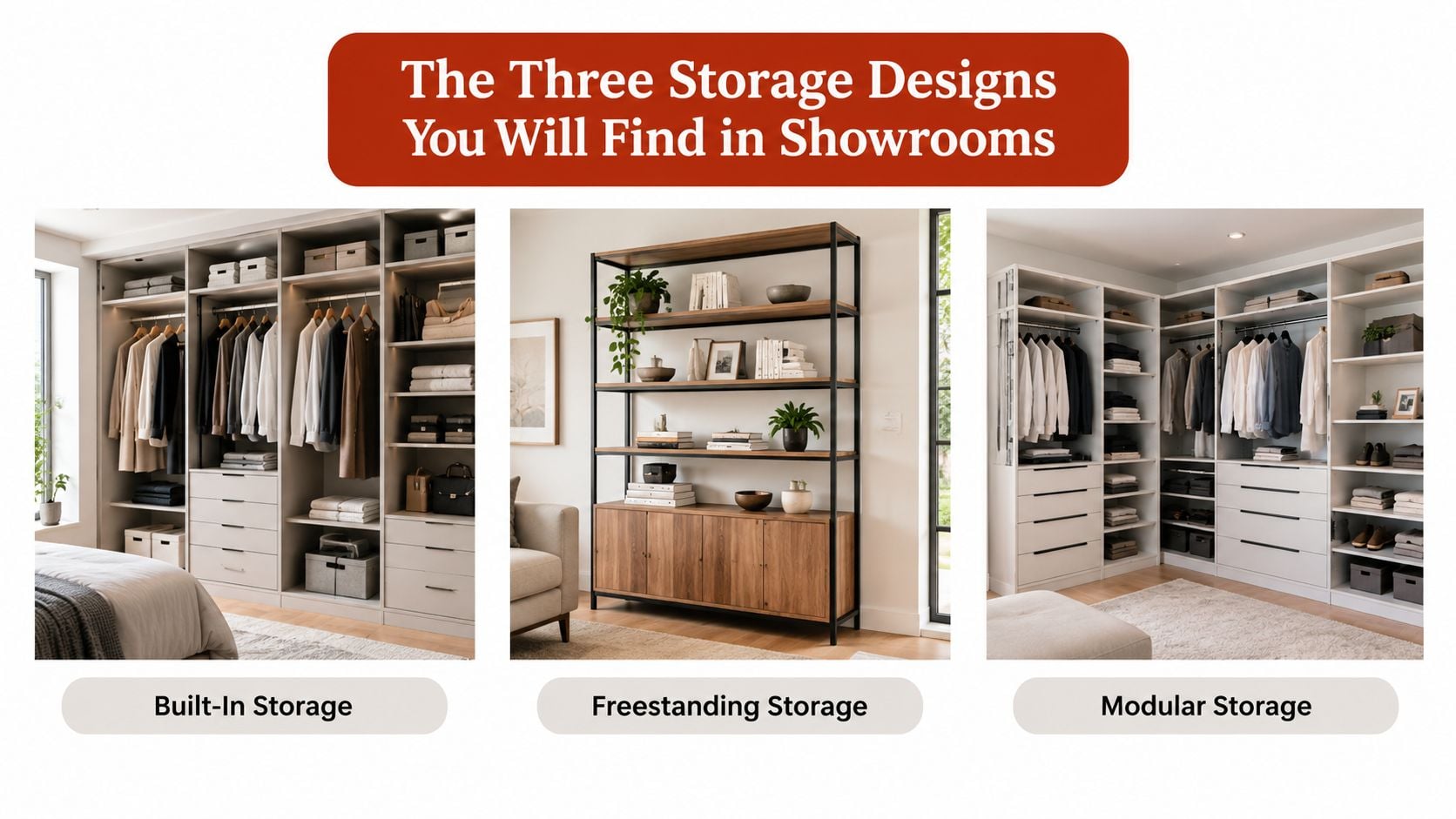
A showroom floor can make sleeper storage look alike, but the mechanics are not the same. The storage design changes how far the seat stretches, how the sleeper feels, and how long the frame stays happy under real use. For a broader look at sofa and sectional construction, see our guide to five sofa sectional features. If you want the right piece for a small coastal home, sort the choices by how they open and how much room they ask for.
Lift-top chaise storage feels generous but can sit firmer
A lift-top chaise or seat section opens upward on pistons, and the motion is clean and easy. In the store, that hidden cavity often looks roomy enough for blankets, pillows, or spare bedding, while the compartment usually sits under the chaise section rather than across the whole sofa base. The trade-off is simple. That structure can take space that would otherwise soften the seat, so the cushion often feels firmer.
Drawer storage is the easiest to reach from the front
Drawer-style storage slides out on metal rails from the front edge. It is the easiest setup for bedding and heavier items you want to reach without lifting the seat. A good drawer usually needs front clearance equal to its full extension, plus a little breathing room so your hand and knees are not fighting the frame.
A shallow drawer may hold folded throws and pillows neatly. A deeper one gives you more usable volume, but it also adds weight and makes the mechanism work harder.
A drawer that glides cleanly is a good sign. One that scrapes, sticks, or bows under its own weight is not.
Hinged under-seat compartments keep the design simple
A hinged compartment is the plainest of the three. You lift a panel and reach straight into the cavity, which is why it often works well in smaller rooms that need a calm look. The opening itself may not need much floor clearance, but the lid still needs enough overhead room to lift without bumping a table, wall, or lamp.
This design usually gives you a straightforward cavity under the seat, not a fancy one. That is fine if you want simple bedding storage and do not want extra moving parts in the frame.
A piece like this only makes sense if the opening motion feels natural in the store. If you have to fight the lid, bend awkwardly, or guess where to place your hands, skip it. The right storage setup should fit the room and your habits without turning storage into a chore.
Storage Versus Sleep Comfort in the Same Frame
A sleeper sofa with storage asks one frame to do two jobs at once, and that trade-off is exactly where many buyers go wrong. The pull-out bed needs space for its metal mechanism, while the storage cavity wants the same under-seat volume. Push storage too far and the seat usually loses depth, support, and long-term comfort. In a small coastal home, that is the actual decision, not whether the sofa has one more place to stash blankets.
Sleep comfort starts below the cushions
The structure under the upholstery matters more than the fabric once the sofa becomes a bed. A conventional pull-out holds a folded mattress and frame inside the body of the sofa, and that hardware changes the feel of the seat even when the bed is closed. Judge the piece as a mechanical object first and a decorative one second.
Mattress thickness matters too. Sleeper mattresses commonly range from 4 to 8 inches, and thinner builds can leave bars or slats more noticeable through the night. For guidance on matching mattress feel to sleep style, see our mattress guide. If the mattress looks too slim in the showroom, it is not going to feel softer at home.
Ask yourself what the piece has to do most nights
If the sofa is mostly for daytime seating and the occasional guest, a firmer, more storage-forward build can make sense. If someone will sleep on it often, the balance should shift toward bed comfort and away from the deepest possible storage cavity. There is no universal right answer, only the right answer for your home.
Practical rule: if the sleeper needs a topper to feel usable, you have already created a storage question for the topper itself.
That is the part people miss. The storage cavity sounds generous until the topper, pillows, and bedding need a home of their own. A balanced middle usually beats chasing the largest compartment you can find.
Sizing the Sleeper Sofa With Storage for Your Room
Measure the room as if the sofa is already there, because once the bed opens, the footprint changes fast. Closed depth for many sleeper sofas lands around 36 to 44 inches, while a full or queen pull-out can reach roughly 85 to 95 inches when fully open, according to a sleeper sofa dimension guide on open and closed size planning. That jump is what catches first-time buyers off guard.
Measure the room in three stages
Start with the closed depth against the wall. Then measure the open depth from that same wall to the point where the bed would land. Finally, check entry clearance at the doorway and any hallway turn, because a sofa that fits the room but not the route into the room is a bad buy.
Here's the kind of sizing note I'd take into a showroom:
| Common Sleeper Sofa With Storage Sizes | Closed Width | Closed Depth | Open Depth | Best Room Fit |
|---|---|---|---|---|
| Twin | Varies by style | About 36 to 44 inches | Less than full and queen pull-outs | Compact office or small flex room |
| Full | Varies by style | About 36 to 44 inches | About 85 to 95 inches | Guest room or smaller living room |
| Queen | Varies by style | About 36 to 44 inches | About 85 to 95 inches | Main living room or larger guest space |
The storage part matters just as much as the sleeper length. If the lid swings up, the front needs room to move. If it uses a drawer, the front has to clear the path in front of the sofa. Those few inches decide whether the piece feels smooth or cramped.
Use this how-to-measure-furniture guide before you go shopping, then bring your notes with you. A tape measure in your hand saves a lot of regret later.
Real Florida Use Cases for a Sleeper With Storage
A guest room in Brevard County has a different job from a condo living room, and the storage choice should reflect that. Florida homes often have open traffic patterns, sandy feet, and furniture that needs to work hard without looking overstuffed. The same sleeper sofa can be right in one house and wrong in the next.
Dedicated guest room
A guest room usually wants the most straightforward solution. A sleeper with a hinged or lift-top storage section keeps extra sheets, spare pillows, and blankets close by without making the room feel crowded. Here, the sleep function matters less than the ease of setup, so a smoother access compartment is the smart move.
Small condo
In a condo, every square inch has a job. Drawer storage can be useful because it keeps bedding organized and accessible from the front, and it pairs well with a sofa that has to sit close to a walkway or balcony door. If the room already feels tight, don't choose a mechanism that needs too much swing space.
Vacation rental
Vacation homes need fast turnover and straightforward storage. Built-in compartments help hide owner supplies, guest backups, and soft goods that shouldn't sit on open shelves. The right choice here is usually the one that helps housekeeping move quickly without making the furniture feel bulky.
Multigenerational living
When a parent or relative sleeps on the sofa often, comfort has to come first. The storage can still help, but it should be secondary to the mattress feel and the frame quality. In that case, I'd lean toward the most supportive sleeper you can live with, not the deepest storage cavity.
The best match is the one that fits the rhythm of the household, not just the floor plan.
Florida-Friendly Construction and Materials
A sleeper sofa with storage has more moving parts than a standard sofa, so construction matters more than surface style. Solid hardwood frames and heavy-gauge metal mechanisms hold up better than lightweight alternatives because the piece carries sleeping weight, seating weight, and storage access all in the same body. The frame has to stay quiet when you sit, open, and close it again and again.

Fabric and leather should suit the way Florida homes actually live
Performance fabrics make sense in humid, high-use homes because they're built for daily wear and easier cleaning. Genuine leather has its own appeal, with a distinctive feel and a rich surface that can age beautifully when cared for properly. The right choice depends on sunlight, traffic, and whether your household is the kind that leaves wet towels and sandy bags near the sofa.
Mechanism quality matters too. Sturdy sleepers typically use reinforced steel linkages, low-profile pivots, and support legs that lock the bed flat when it opens. That's the sort of detail you want in a coastal home, where wobbly hardware and noisy joints become annoying fast.
For upholstery specifics, our guide to upholstery materials is worth reading before you make a final choice. Pick the material for the way you live, not for the way it photographs.
What Belongs in the Storage and What Should Stay Out
The compartment is best used like a curated cabinet, not a catch-all drawer. Sheets, pillowcases, throw blankets, and lightweight bedding belong there because they stay soft, flexible, and easy to move when the bed opens. That's the kind of load these spaces are happiest holding.
Heavier bedding is another story. Thick toppers, stacked comforters, and dense items that sit in one spot for months can stress the mechanism and make the sofa harder to close flat. If the storage area is already tight, don't ask it to carry more than it was built for.
The hidden trade-off is simple. If comfort requires a topper, and the topper needs its own home, the built-in storage only solves part of the problem. That's why I'd treat extra storage as useful only when it keeps the guest setup organized without becoming a second closet.
Use the compartment for what belongs with the sleeper, not for the overflow you haven't sorted yet.
Choosing Well and Why Hand-Testing Matters
A piece like this should be judged with your hands, your back, and your eye for proportion. A 32,000-square-foot Rockledge showroom full of curated coastal vignettes gives you something an online cart can't, which is a real feel for pitch, seat depth, opening motion, and how the storage looks when it's being used. That matters more here than in almost any other furniture category.
What to test before you say yes
- Open and close the sleeper twice: The motion should feel smooth, controlled, and quiet.
- Sit on the closed sofa for a few minutes: The seat should feel supportive without pushing you forward.
- Check the storage access: Lift it or slide it while imagining bedding in your hands.
- Look at the frame alignment: If the hardware already looks fussy on the floor, it won't improve at home.
- Study the upholstery in natural light: Coastal rooms change throughout the day, and so does the fabric.
If the store model feels awkward, assume the home version will feel the same or worse.
That's why I'm direct about this category. You're not buying a throw pillow or a lamp. You're choosing an investment piece that has to sleep well, sit well, and hide the right things without fighting the frame.
Indian River Furniture has served Brevard County and Central Florida since 1939, and ownership hand-tests every sofa, recliner, and chair for pitch and comfort before it reaches the floor. Our in-house design consultations help you sort out the room, and our uniform white-glove delivery team handles setup with care so the piece lands where it should. If you want the right sleeper sofa with storage for a coastal home, come sit on it, open it, and live with it in the showroom before you decide.
If you're ready to choose a sleeper sofa with storage that fits your room instead of forcing the room to fit the sofa, visit our Rockledge showroom, bring your measurements, and let us help you test a few options side by side. You'll leave with a clearer sense of what works, what doesn't, and which piece is worth bringing home for the long haul.